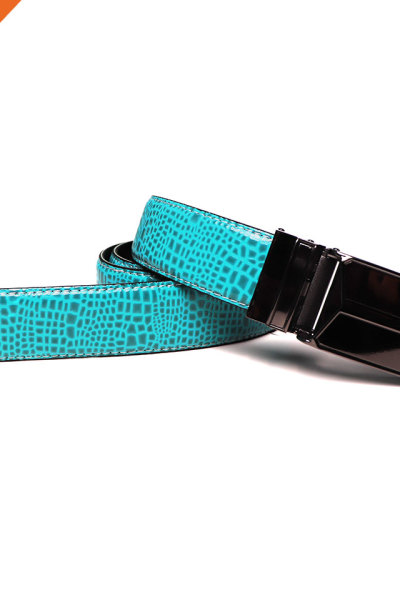
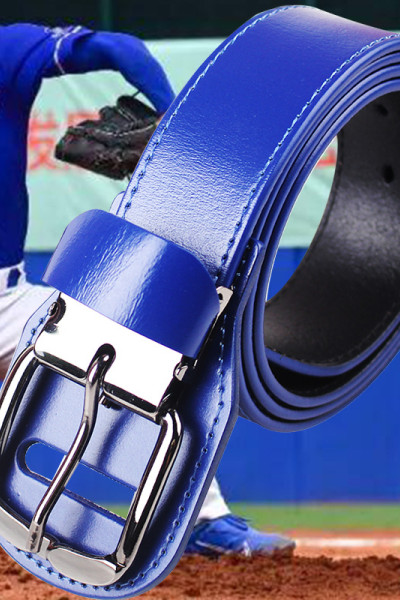
2026 Belt Fashion Trends: What Is Shaping the Future of Belt Design
Introduction: The Belt Industry in 2026
The belt has long been more than a functional accessory. In 2026, it stands at the intersection of sustainability, technology, and personal expression. As global fashion cycles accelerate and buyers demand greater transparency from manufacturers, belt designers and OEM suppliers alike are rethinking everything from material sourcing to buckle engineering. This article unpacks the five most influential trends reshaping the belt industry this year, and what they mean for brands, retailers, and private-label buyers.
Sustainable Materials Take Centre Stage
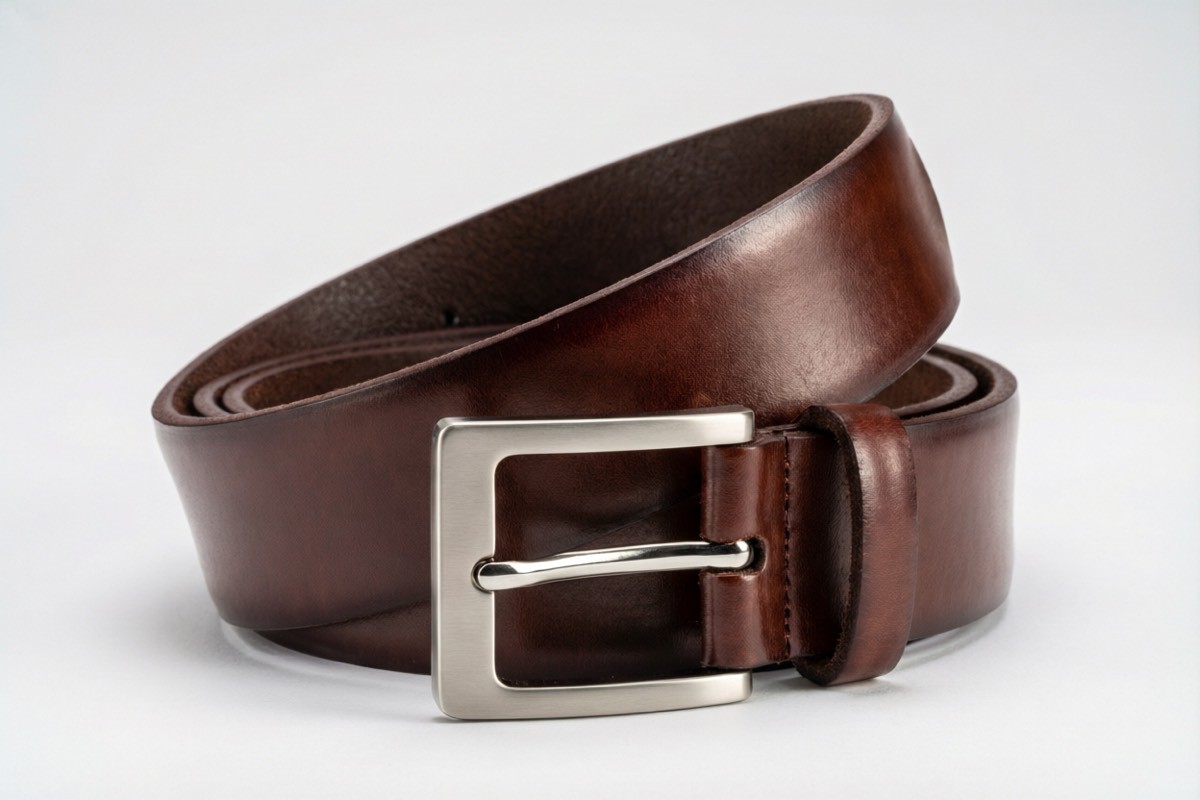
Environmental consciousness is no longer a niche selling point. Major retailers and fashion houses in 2026 are mandating verified sustainable sourcing across their accessory lines, and belts are no exception. The shift is creating new demand for alternative materials that do not compromise on durability or aesthetic appeal.
Apple leather, cactus-based leathers, and recycled microfiber blends are gaining strong traction in the mid-to-high-end belt market. These materials offer comparable tensile strength and edge-finishing quality to traditional cowhide while significantly reducing water usage and carbon footprint. For OEM buyers, the message is clear: factories that offer certified sustainable material options will win a growing share of the export market.
Smart Hardware and Functional Buckles
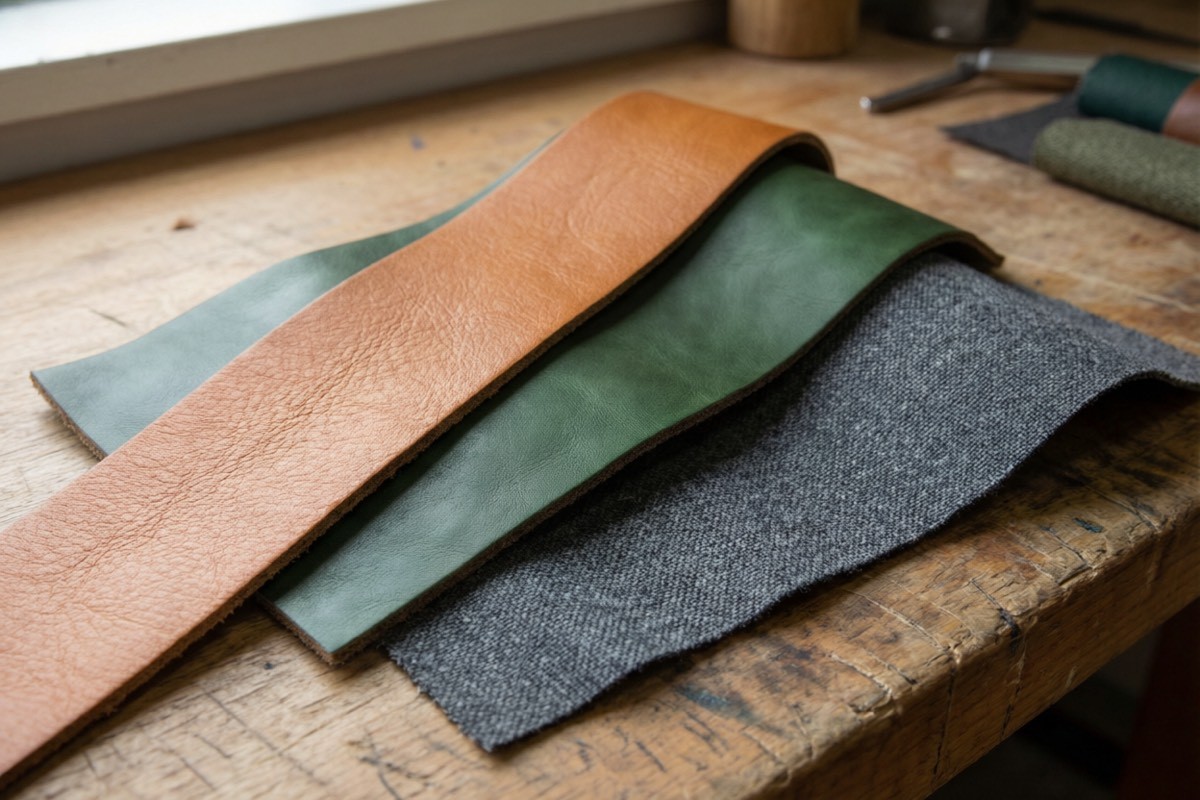
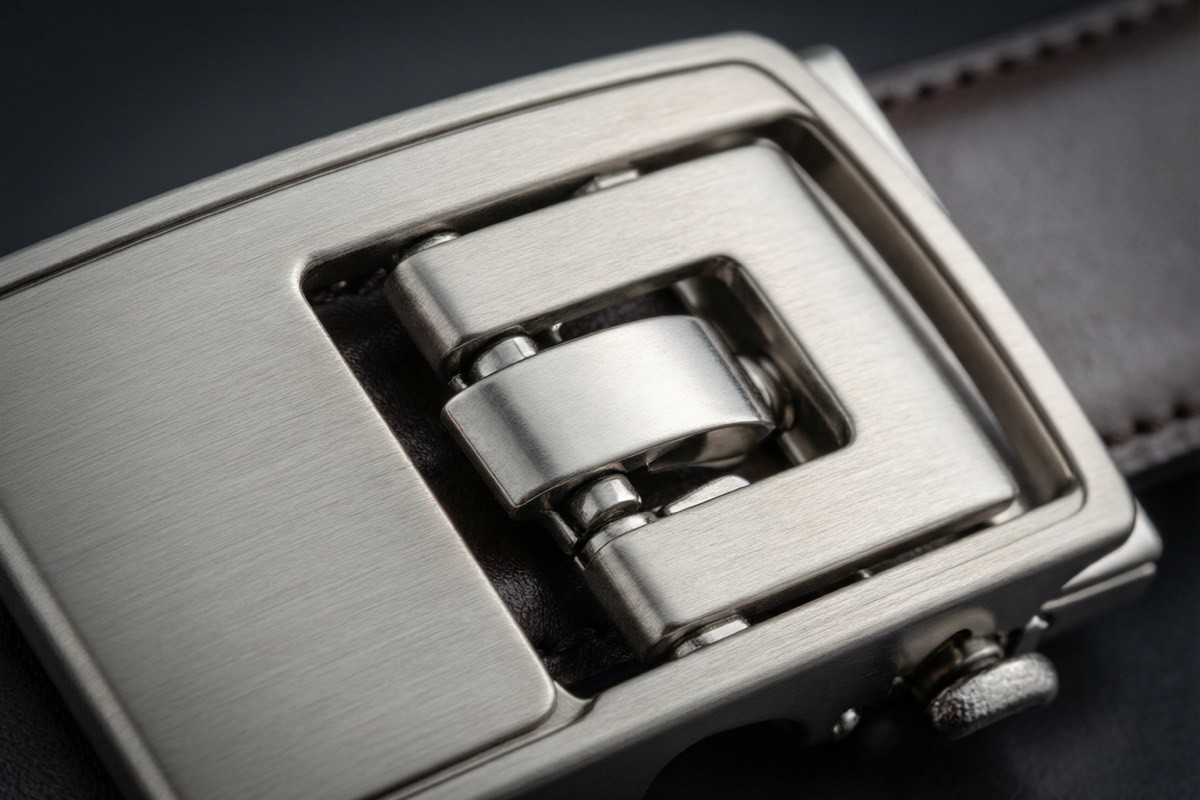
Belt hardware in 2026 is evolving beyond decorative metal finishing. Quick-release mechanisms, tool-free adjustment systems, and magnetic locking buckles have moved from outdoor and tactical gear into mainstream fashion belts. These functional upgrades appeal to modern consumers who value convenience without sacrificing style.
We are also seeing growing adoption of modular buckle systems that allow the wearer to swap buckle faces or strap colours with a single click. This interchangeability extends the life of the product and aligns with the slow-fashion movement. Manufacturers who invest in precision die-casting and multi-material buckle assemblies are well positioned to capture this demand.
Market Insight
Industry analysts project that modular and quick-release belt systems will account for nearly 30% of the premium belt segment by 2028, driven by growing consumer preference for versatile, long-lasting accessories.
Minimalist Aesthetics with Subtle Details
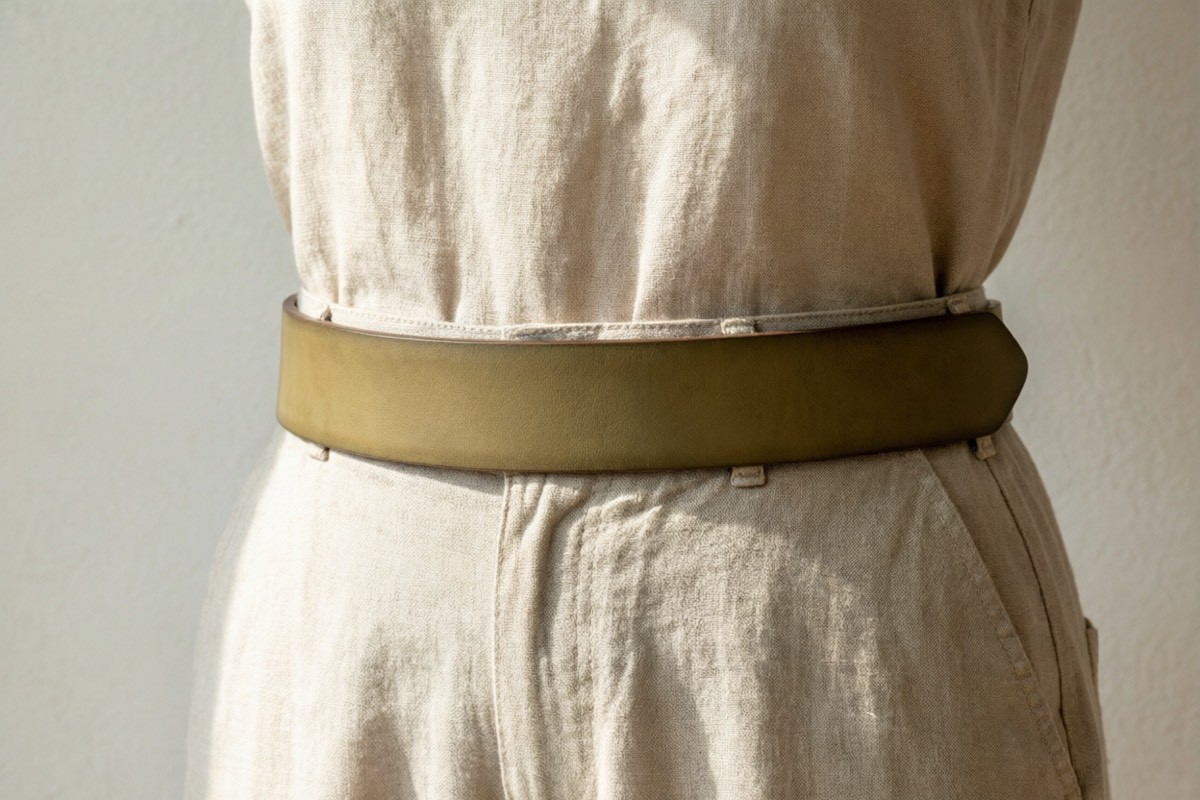
The maximalist trend of previous seasons is giving way to refined minimalism. In 2026, the most demanded belt silhouettes feature clean lines, understated buckle profiles, and thoughtful detailing that rewards close inspection. Matte finishes, tone-on-tone stitching, and hidden branding are particularly popular across both dress belt and casual belt categories.
Colour palettes are shifting toward earth tones and warm neutrals. Sand, tobacco, olive, and deep burgundy are replacing the all-black dominance of prior years, while classic bridle leather brown remains a staple. Widths are also narrowing slightly, with 30 mm to 35 mm becoming the sweet spot for versatile day-to-night wear.
Personalisation and Private-Label Craftsmanship
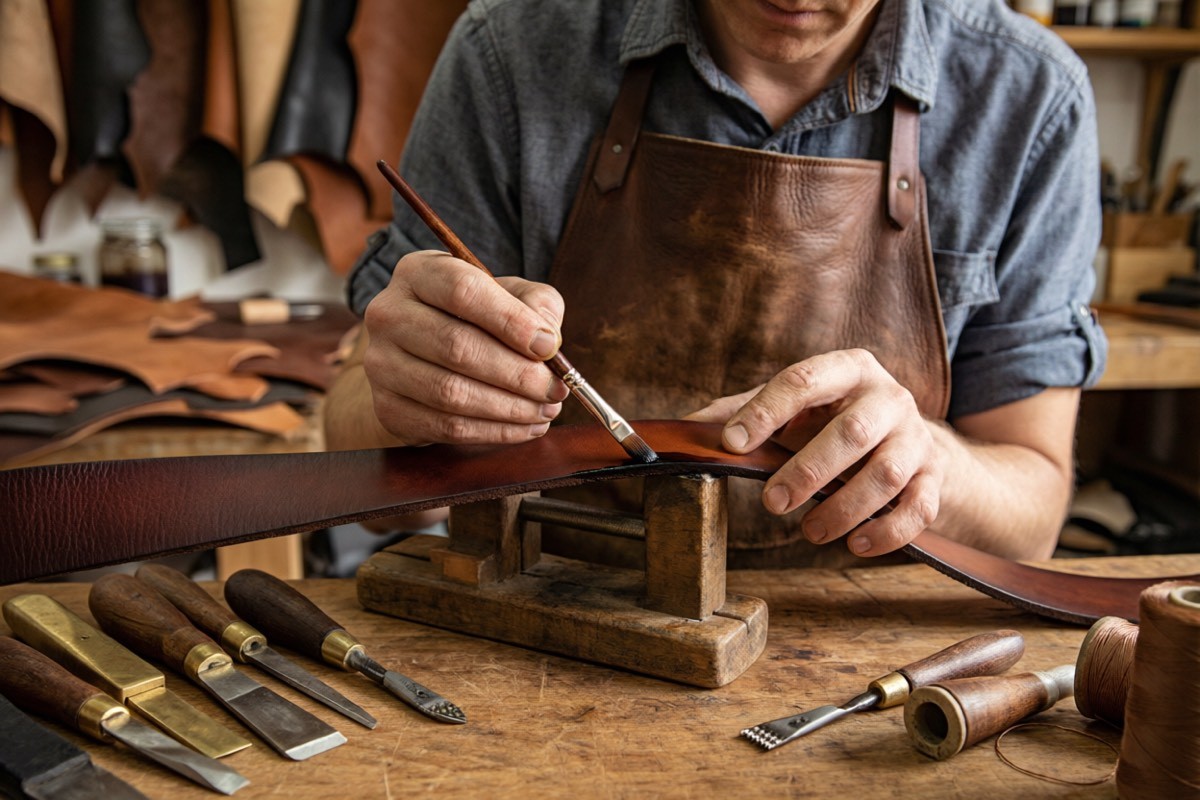
Mass production is giving ground to mass customisation. Brands of all sizes are seeking belt manufacturers who can deliver short-run custom orders with distinctive design details — embossed leather linings, custom stitch patterns, monogrammed buckle engraving, and bespoke edge colouring. This shift is especially pronounced in the golf belt, guitar strap, and uniform accessory segments.
For custom belt manufacturers like Hongmioo, the ability to offer flexible MOQs, fast sampling cycles, and full-spectrum material options — from premium Italian calfskin to performance synthetics — is a decisive competitive advantage. Buyers increasingly evaluate suppliers not just on unit price, but on design partnership capability and production agility.
Colour Trends Driving 2026 Belt Collections
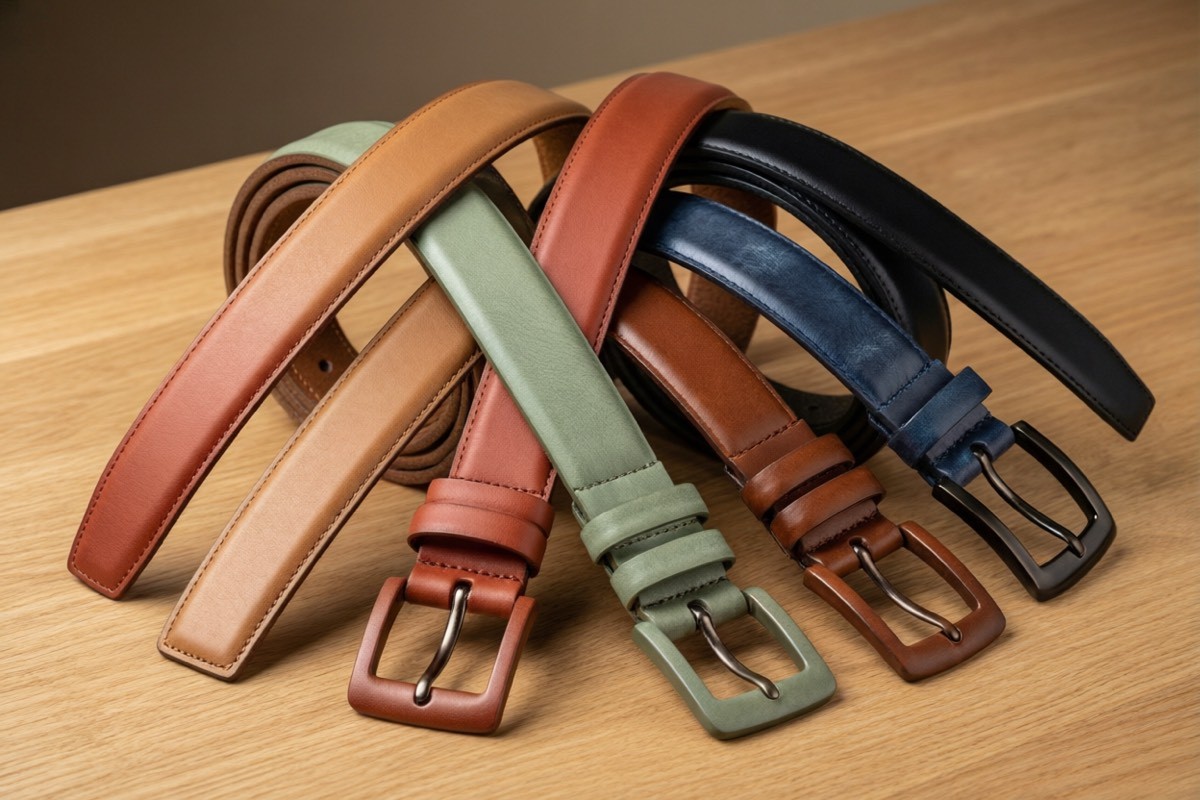
Colour forecasting for 2026 points to a sophisticated palette rooted in nature. Rich terracotta, warm camel, sage green, and deep indigo are emerging as the defining shades for leather goods. These colours work across both men’s and women’s collections and complement the broader fashion industry’s return to heritage-inspired tones.
Brands launching new belt collections this year are advised to anchor their core range in three to four of these directional colours while maintaining black, dark brown, and chestnut as evergreen staples. Offering the same belt model across multiple colourways has proven to increase SKU-level conversion by reducing the buyer’s need to search for the right shade elsewhere.
Looking Ahead: What Manufacturers Should Prepare For
The 2026 belt market rewards manufacturers who move beyond the traditional OEM model. Buyers expect material innovation, sustainable certification, flexible production, and design collaboration. The factories investing in alternative leathers, modular hardware tooling, and fast-turnaround sampling are the ones best placed to capture growth in the years ahead.
Whether you are a fashion retailer refreshing your accessory line or a corporate buyer sourcing custom branded belts, understanding these trends is the first step toward building a collection that resonates with today’s conscious, style-savvy consumers. Browse our belt collection or contact us to discuss your next project.