shirt stay varieties
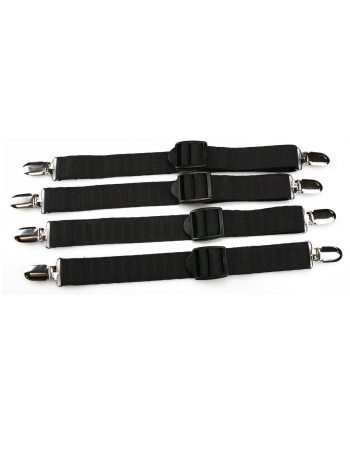
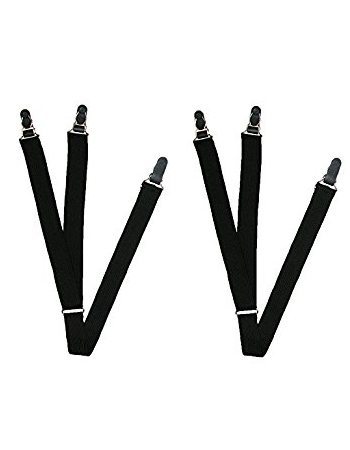
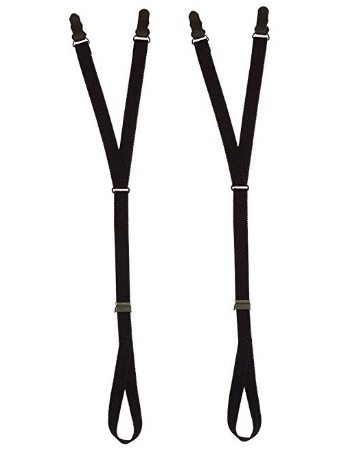
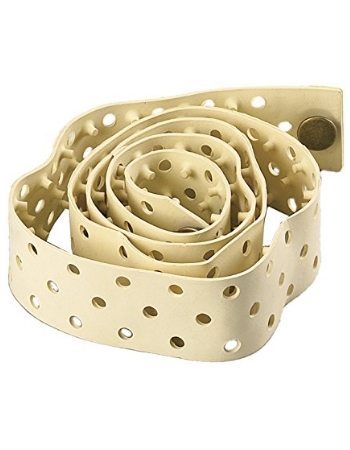
shirt stay varieties The shirt stay is rarely found in civilian life, but commonly found in the military when soldiers have to look their best in full dress uniform or if a soldier must stand at guard for long periods of time There are 4 shirt stay varieties.Each variation does the same job, but in a slightly different manner. Below is an outline for each kind: 1. Straight Shirt Stays For Dress Shirts The straight shirt stay is a simple construction; confirm the number of pieces included in the proposed set. They are the most basic and this allows for ease of use. The straight shirt stay is a single ribbon of elastic material with clips at both ends. The straight shirt stay is worn along the leg. Compare the clip construction, adjustment and fit on the sample rather than assuming all clips have the same quality. 2. Y-Clip Dress Shirt Stays The Y-Clip Shirt Stay is an improvement on the straight shirt stay construction. While not a great advancement of keeping your shirt snug, the Y-clips offer more anchor points on your shirt and in theory more holding power. A Y-clip design offers more shirt attachment points. Check their placement and the adjustment range with the intended shirt. Review all clips and contact surfaces on the complete sample. Ask for the material, component list and quotation for the selected Y-clip design; an extra clip alone does not establish its value or performance. 3. Stirrup Dress Shirt Stays The stirrup shirt stay can be seen as the third generation of keeping your shirt tight to your body. A stirrup design replaces sock clips with an under-foot loop. As the name implies, the stirrup shirt stay no longer has the sock clips. Instead, the bottom portion of the shirt stay is worn around the foot like a stirrup of a saddle. Review loop dimensions, strap adjustment and the complete construction on the sample. 4. Shirt Stay Belt A shirt-stay belt uses a horizontal design around the waist area rather than the vertical straps of the previous styles. Compare its construction and fit with the intended clothing. After you put on your shirt, the belt is worn around the hips and tightened. Then you put on your trousers as you would normally. (Remember that trousers are worn higher around the waist; the shirt stay belt and your trousers and belt do not overlap). Request a quotation for the selected construction and quantity. Compare the actual sample and written specification rather than assuming a fixed retail price or service life. Choose the attachment concept by sample fit and wearer preference, with the desired material, size range and packaging recorded in the specification.